 12:10
12:10Technology
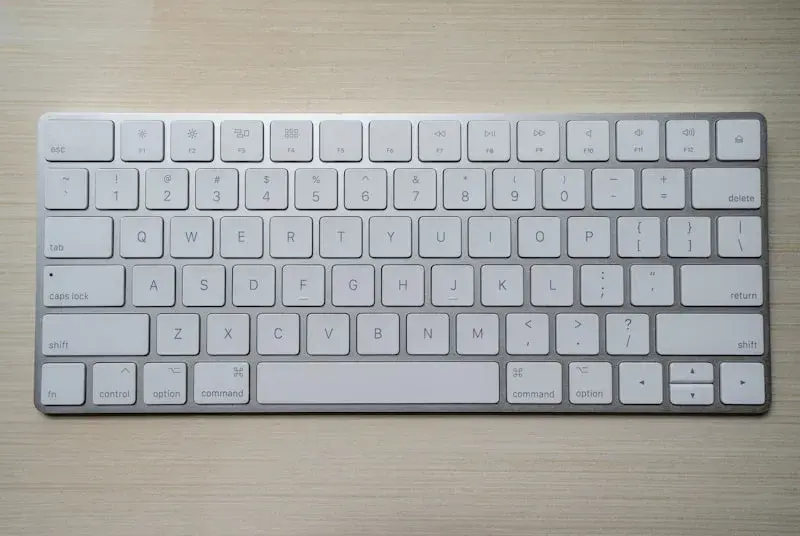
Inside the World of Next-Gen Mechanical Keyboards
Exploring custom CNC aluminum chassis, gasket mounts, linear switch lube recipes, and acoustic profiles that define today’s enthusiast tactile landscape.
Alex Thorne
Technologycourse25:15David SterlingJun 28, 2026
Save for laterDemystifying frequency response curves, planar magnetic vs dynamic drivers, total harmonic distortion (THD), and acoustic room treatment.
Audio specifications are easy to publish and hard to interpret. This course goes through the numbers manufacturers print and explains which ones predict what you will actually hear.
Frequency response comes first, including why a flat line on a graph is not the same as neutral in a room, and how compensation curves change the picture. Driver technologies are then compared directly: dynamic, planar magnetic and electrostatic, each with its own distortion profile and its own practical trade-off in weight, efficiency and price.
Total harmonic distortion is put in context with listening tests, since the threshold at which it becomes audible is far higher than the marketing implies. The final module leaves the equipment behind entirely and looks at the room: first reflection points, bass modes in small spaces, and the cheap treatments that make the largest measured difference.


 12:10
12:10Technology
Exploring custom CNC aluminum chassis, gasket mounts, linear switch lube recipes, and acoustic profiles that define today’s enthusiast tactile landscape.
Alex Thorne
 22:45
22:45Technology
Learn the core principles of building resilient, low-latency distributed architectures with event streaming, consensus algorithms, and caching layers.
Marcus Vance